
Aerial work platform and construction machinery rental in Karvina
In Karvina today, aerial work platforms and construction machinery are mainly needed for projects that bring something to an end and prepare something new. Hard coal mining is winding down, and with it headframes, processing plants, workshops and ancillary buildings are being dismantled; the vacated land is going into reuse and conversion. This is a construction task in its own right: dismantling before demolition, hazardous substances before structural work, and ground whose load-bearing capacity has been shaped by mining.
Demolition in the right order: dismantle first, then demolish
Industrial demolition does not start with the excavator but at the top and by hand. Cable routes, pipelines, drives, rope sheaves and conveyor systems are detached, separated and lowered individually before work on the load-bearing structure begins.
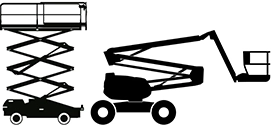
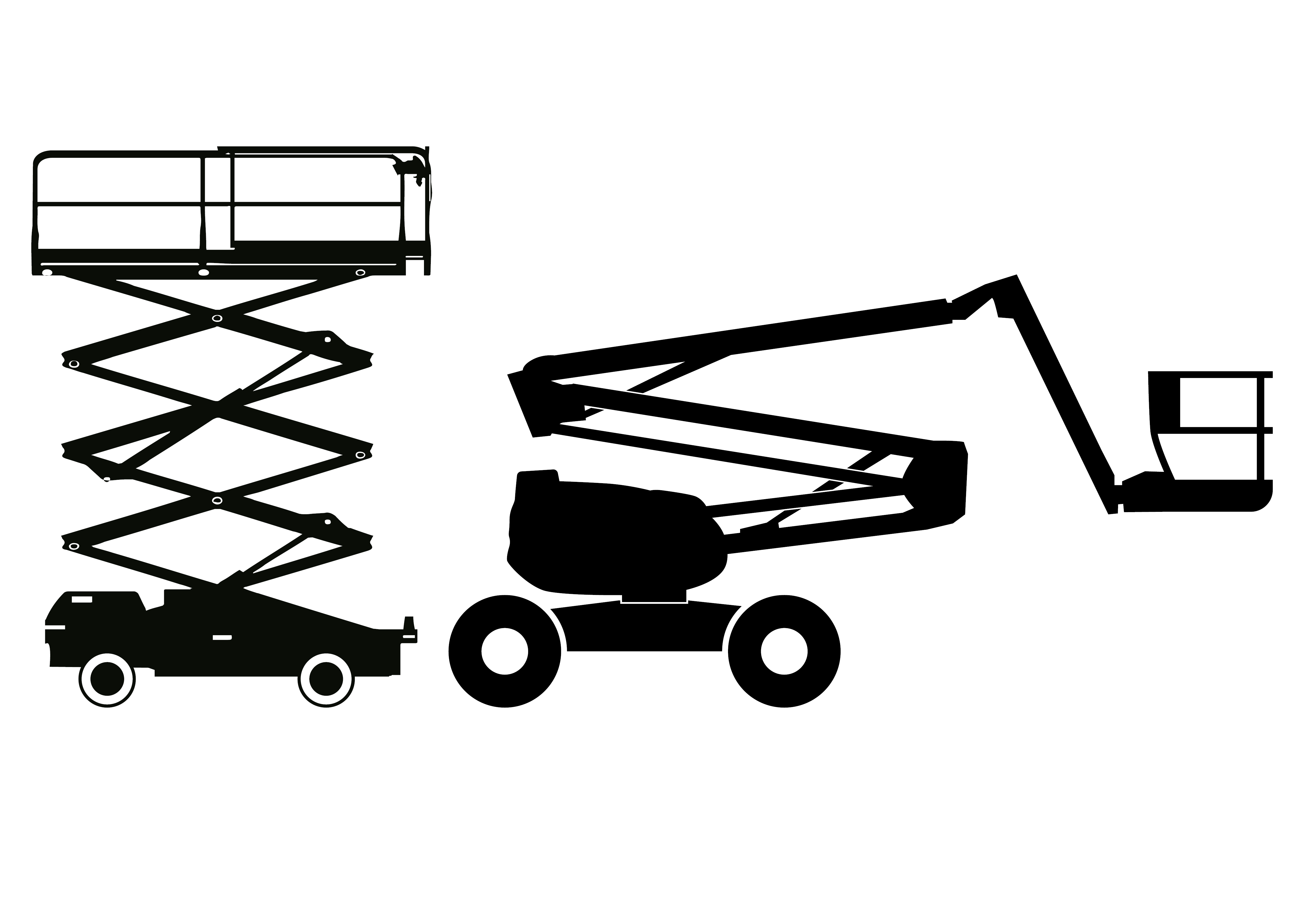
In this phase, reach on slender, tall structures is what counts. Telescopic boom lifts reach working heights of 14.00 to 56.90 m - the highest value in the rental fleet - and get to headframes, bunkers, silos and chimneys. Where the base area is obstructed, articulating boom lifts with 10.89 to 48.15 m approach the point horizontally via the articulated arm.
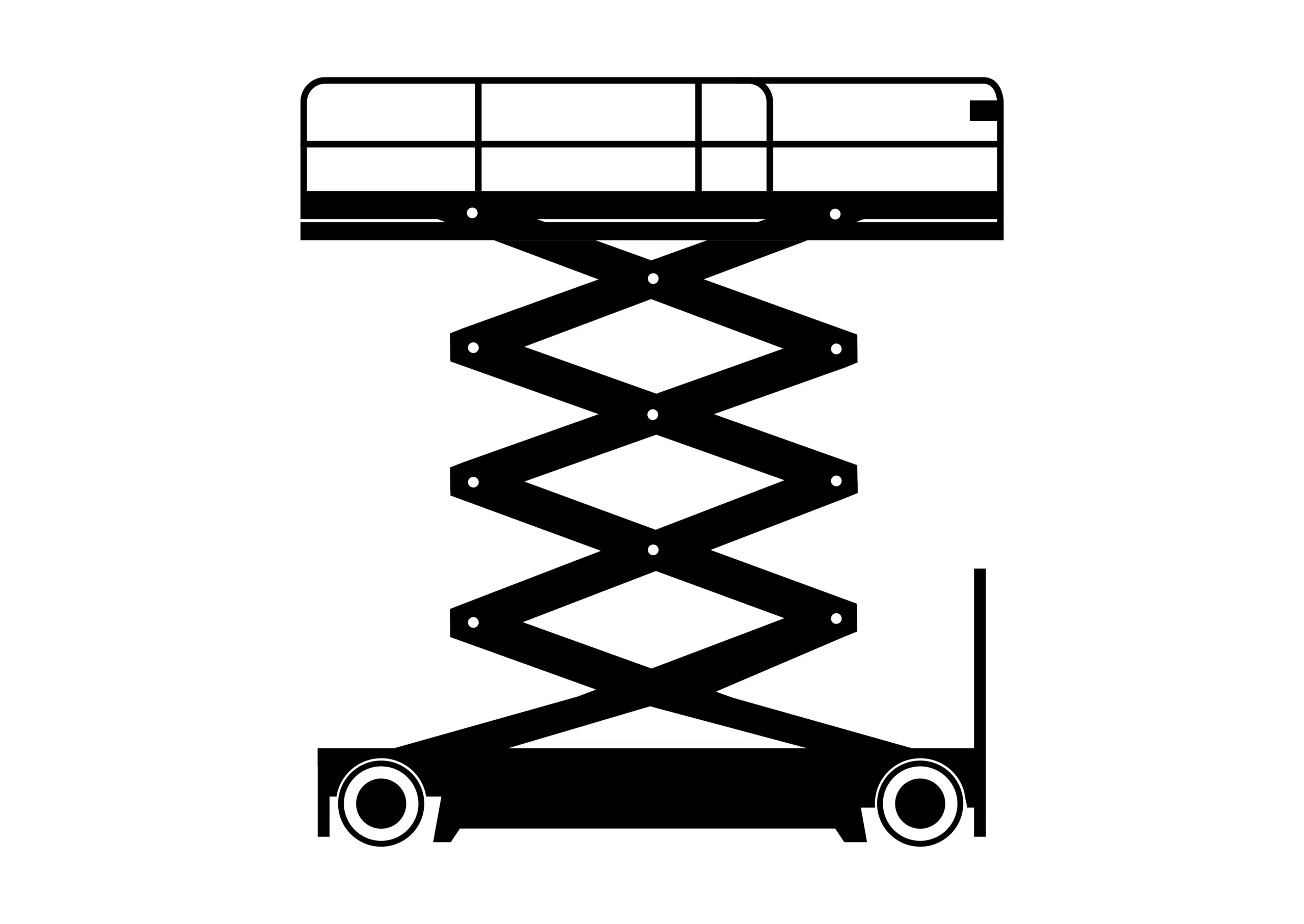
In interior demolition, working heights are lower but loads are higher: dismantling tools, cut-off saws, supports and components all go up with the crew. Diesel scissor lifts with 9.70 to 34.00 m and platform loads up to 1,134 kg are the strongest class for this; in poorly ventilated areas, electric scissor lifts with up to 33.00 m and 1,000 kg take over.
Mining subsidence area: ground bearing capacity comes before machine selection
Decades of underground mining have visible consequences on the surface. Subsidence, waterlogged zones, backfilled shafts, old foundations and channels under made ground determine where a machine may stand at all. The machine weight gives a misleading impression: when set up on outrigger pads, the load acts as a point load rather than a distributed load.
The practical sequence: evaluate existing-condition records and the subsidence forecast, define set-up points, dimension load distribution - and only then choose the machine class. Where the surface is not reliably load-bearing, spider lifts with 13.00 to 39.50 m are the alternative: tracked undercarriage, lowest ground pressure in the range, narrow transport width. On paved but uneven surfaces - slag gravel, old concrete slabs, remains of tracks - the rough-terrain versions of diesel scissor lifts with all-wheel drive are the more robust choice.
The rental fleet in figures
| Class | Working height | Basket load |
|---|---|---|
| Electric scissor lifts | 6.30 - 33.00 m | 227 - 1,000 kg |
| Diesel scissor lifts | 9.70 - 34.00 m | 363 - 1,134 kg |
| High-bay scissor lifts | 18.50 - 33.00 m | 450 - 1,000 kg |
| Articulating boom lifts | 10.89 - 48.15 m | 150 - 450 kg |
| Telescopic boom lifts | 14.00 - 56.90 m | 227 - 454 kg |
| Mast lifts | 10.00 - 12.65 m | 200 kg |
| Spider lifts | 13.00 - 39.50 m | 200 - 400 kg |
Excavators from 1.8 to 30 t working together with the platform
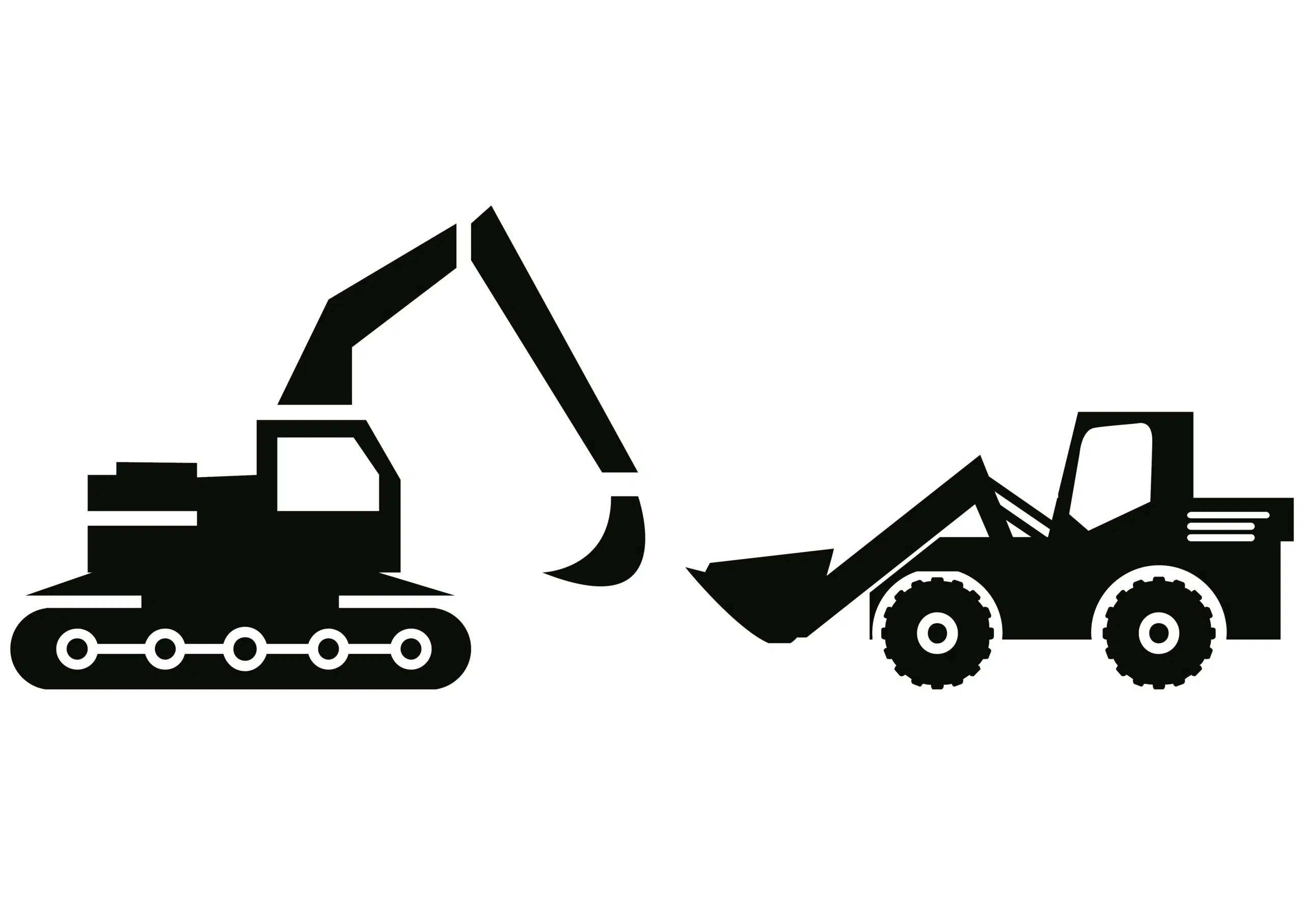
Demolition projects rarely need one machine size; they need a range. Excavators are available from 1.8 t to 30 t operating weight, with intermediate classes of 3.5 t, 5 t, 8.5 t, 14 t and 23 t. The 1.8-tonne machine works in interior demolition and fits through hall doors; the 23- and 30-tonne machines handle demolition of the load-bearing structure, foundation excavation and bulk earthmoving.
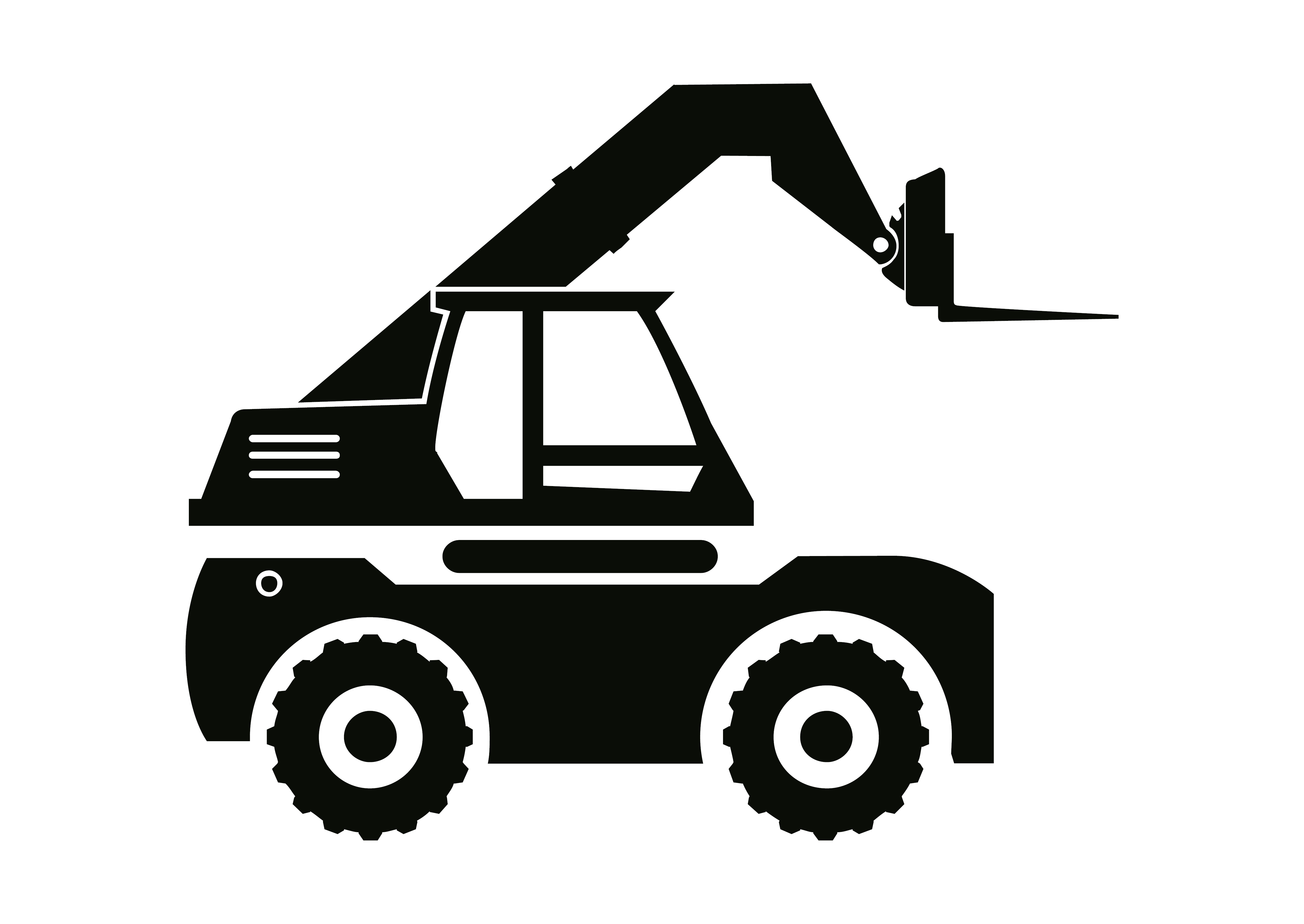
It makes sense to think of platform and excavator as a pair: while dismantling is under way at the top, the small excavator below handles removal and sorting; once the structure is clear, the task moves to the large class. Telehandlers move material without a crane: fixed models with 4.30 to 18.80 m lift height and 1.25 to 25 t load capacity, roto models with 15.42 to 38.90 m for set-up points with all-round operation. For handling on unpaved ground there are rough-terrain forklifts.
New construction on the brownfield: site servicing, hall, facade
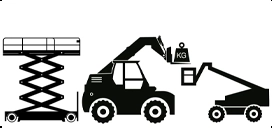
Demolition is followed by site regeneration: servicing, utility installation, foundations, hall construction, external works. The equipment requirement reverses in the process - from dismantling and load capacity to reach and installation height. In steel construction and when mounting wall and roof elements, articulating and telescopic boom lifts work alongside the telehandler, which lifts the elements to the installation point.
For services, lighting and building technology under the roof, electric scissor lifts are the right class, supplemented by high-rack scissor lifts with 18.50 to 33.00 m once the racking is in place. Interior fit-out in occupied areas is covered by mast lifts with 10.00 to 12.65 m. Because the machine classes change from section to section, it pays to plan across the construction phases instead of sending one enquiry per trade.
Inspection records and operator obligations in the Czech Republic
The law of the country of use is decisive. In the Czech Republic, Government Regulation No. 378/2001 Coll. governs the operation and use of machinery and technical equipment, with a dedicated annex for equipment used to lift loads and persons. Inspection follows CSN EN 280; the framework is formed by the Labour Code (No. 262/2006 Coll.) and Act No. 309/2006 Coll. We supply every machine with a valid inspection record, CE documentation and operating manual; risk assessment, operator instruction and the pre-start check remain with the operating company on site.
Demolition projects add a separate track of permits and records: notification of demolition, hazardous substances survey, waste disposal records and, on mining-affected land, additional stability requirements. These points do not concern the rental, but they determine the workflow and therefore the time windows for the machines.
Transport to Karvina
Karvina is around 470 km from our base in Passau, at the far eastern edge of our delivery area. The last leg runs via Ostrava, so jobs in both cities can be scheduled in one run. At this distance, lead time pays off in particular: if you plan early, you get the class you want rather than a workable alternative. Check the access route in advance - on demolition sites, internal roads and gates are not always designed for low-loaders. For projects lasting several months, we bill at long-term rental rates.